Stay updated on our activities
European Public Sector Award 2025-26: Winners Announced
Innovating Government, Governance and Policies
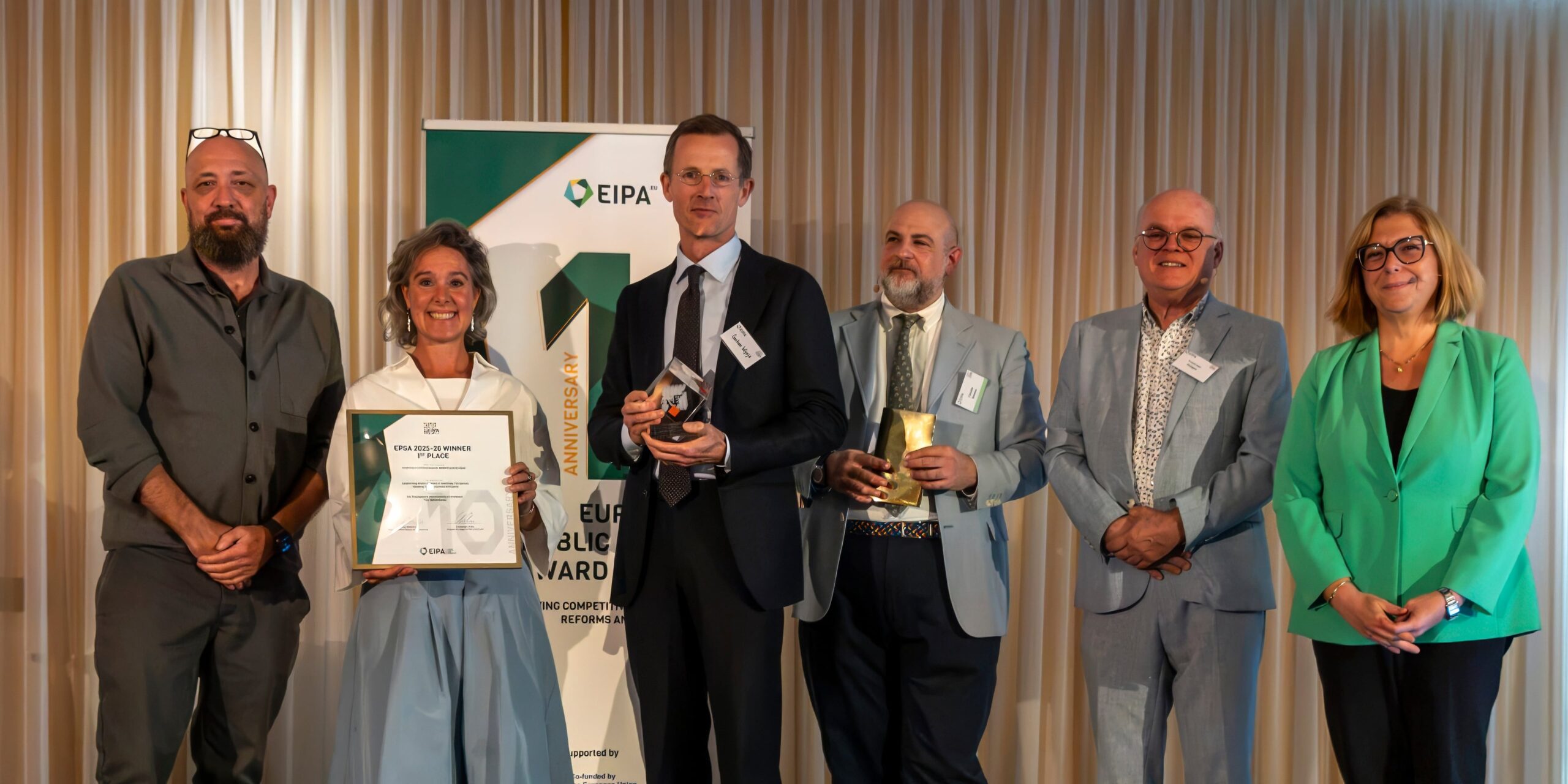
- 1st Prize: CH@World 2.0, Swiss Federal Department of Foreign Affairs FDFA, Switzerland
- 2nd Prize: Participatory Budget Platform / Development and implementation of a shared platform for participatory budget management, Ministry of Smart Administration and Regional Development of the Republic of Latvia
- 3rd Prize: Voucher based adult education scheme in Croatia, Ministry of Labour, Pension System, Family and Social Policy, Croatia
Investing in Infrastructure, Mobility and Energy
- 1st Prize: Supporting Municipalities in Realising Temporary Housing for recognised refugees, De Thuisgevers (Municipality of Kampen), the Netherlands
- 2nd Prize: Baltic Energy Independence project – Baltic power systems Synchronisation with Continental Europe and Desynchronisation from the power system of Russia and Belarus, Ministry of Climate and Energy of the Republic of Latvia
- 3rd Prize: Copernicus Data Stores (CDS & ADS): Modernising Europe’s Open Climate and Atmosphere Data Platforms, European Centre for Medium-range Weather Forecast
Delivering User-Centric Services at Subnational Level
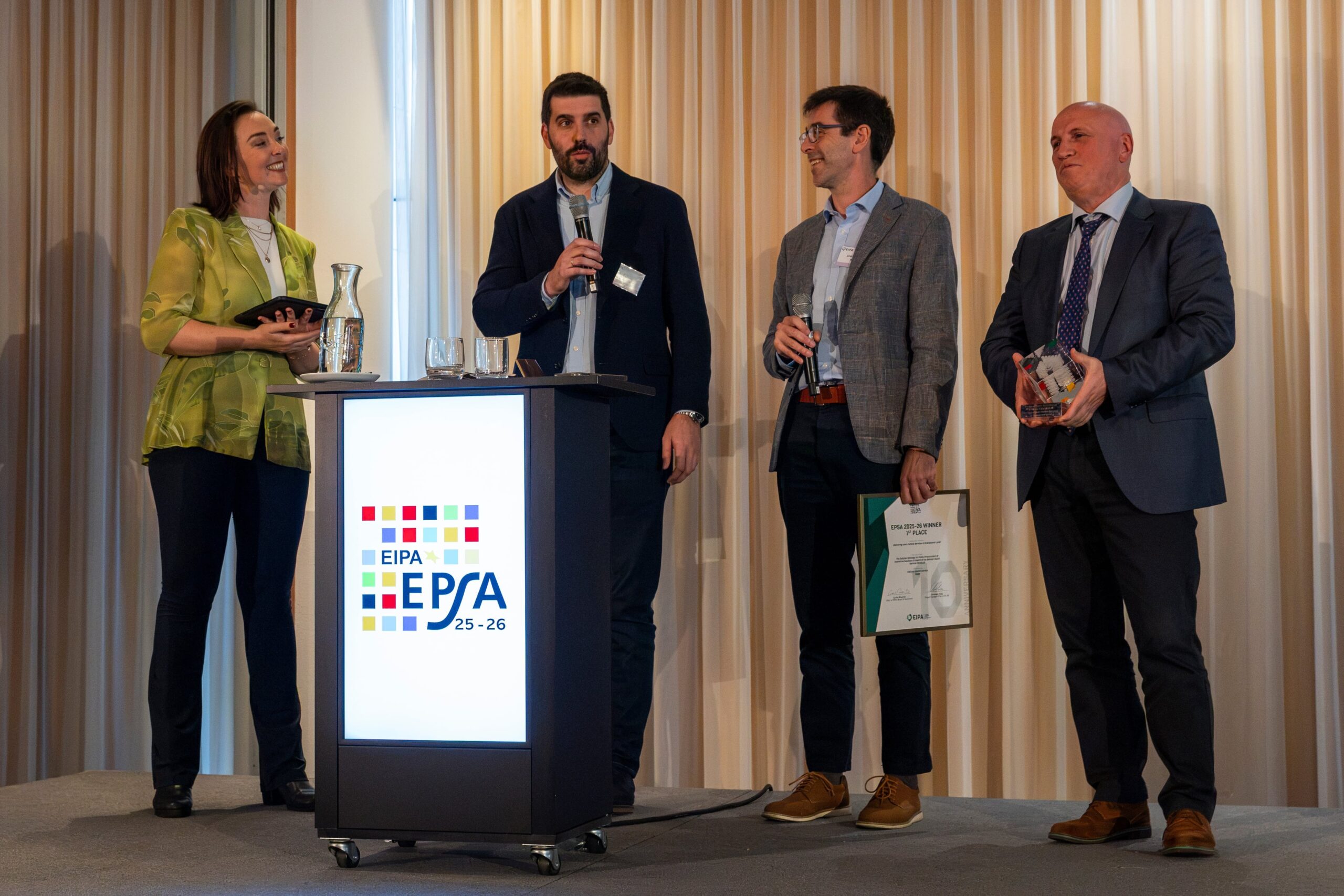
- 1st Prize: The Galician Strategy for Public Procurement of Innovative Solutions in Health of the Galician Health Service (SERGAS), Galician Health Service, Spain
- 2nd Prize: BärGPT, The Governing Mayor of Berlin – Senate Chancellery, Germany
- 3rd Prize: Suma CivicData Engine: A Subnational CivicData Engine for Fair Tariffs and User-Centred Public Services, Suma, Tax Management. Alicante Provincial Council, Spain
The following projects received Good Practice Certificates:
Innovating Government, Governance and Policies
- IRIS: Integrated Regulatory Impact System – Advancing Digital Solutions for Evidence-Based Policy Making, Federal Chancellery – DG III – Civil Service and Administrative Innovation, Austria
- Equal Start: A new funding model to support access and meaningful participation in ECEC and School Age Childcare for children and their families who experience disadvantage, Department of Children, Disability and Equality, Ireland
- A user-centric digital transformation for INPS, Social Security and Welfare Administration of the Republic of Italy
- Government’s Digital Academy, Latvian School of Public Administration, Latvia
- Prozorro.Sale, Ministry of Economy, Environment and Agriculture of Ukraine
- Nordic DigiGov Lab, Digital and Population Data Services Agency (Finland), The Norwegian Digitalisation Agency (Digdir – Norway), Agency for Digital Government (Sweden)
- Data Distribution and Governance Platform (DAGR), State Digital Development Agency of Latvia
- Luxchat4gov, Ministry for Digitalisation, Luxembourg
- Embedding Mental Wellbeing in Public Administration: Support Groups for Civil Servants, Human Resource Management Service, Serbia
- Public Services in Your Pocket – Hungary’s DÁP App, Digital Hungary Agency, Hungary
Investing in Infrastructure, Mobility and Energy
- compensation area 2.0 – from gravel pit to bird‘s paradise, ASFINAG Bau Management GmbH, Austria
- From Fragmented Administration to Data-Driven Governance – Post-Earthquake Reconstruction in Croatia, Ministry of Physical Planning, Construction and State Assets of the Republic of Croatia
- “INVEAT PLAN”: High Technology Equipment Investment Plan in the National Health System, Ministry of Health of Spain
- DREAM RRMC Vienna – Construction of the BOKU River Lab, City of Vienna – European Affairs, Austria
- Development of the EuroVelo 11 Cycling Route, The Regional Roads Authority in Kraków, Poland
- Establishing indicators of sustainability culture for the improvement of citizens’ climate action and empowerment, Climate Change and Sustainability Office, Barcelona City Council, Spain
Delivering User-Centric Services at Subnational Level
- Jems – Joint electronic monitoring system for Interreg programmes, City of Vienna, Municipal Department for European Affairs, Austria
- WIPP360 – An Evidence and Data-Driven Model to Detect and Motivate Elderly People at High Risk to Participate in Preventive Interventions, Municipality of Slagelse, Denmark
- opencouncil.chania.gr – Bringing city councils to citizens: democracy, transparency and participation enhanced with AI tools, Municipality of Chania, Greece
- Next Diba Service: Support for EU fundraising and fund management, Diputació de Barcelona, Spain
- Madrid, Digital Capital: Delivering Public Services for People through Data-Driven, Automation, AI and Interoperable Digital Government, Madrid City Council, Spain
- Mobile Public Service Hall, Public Service Hall operating under the Ministry of Justice of Georgia
- Voghera Digital, Municipality of Voghera, Italy
- More Inclusive School (Escola Mais Inclusiva – EMI), Municipality of Paredes, Portugal
For this 10th anniversary edition, projects from previous editions were also invited to update their initial project submissions, demonstrating a continuous commitment to the improvement of public service delivery.
From the 26 updates, the following organisations received a Special Recognition for their efforts towards public sector reform and innovation:
- Guichet.lu, Ministry for digitalisation, Luxembourg
- Justice 3.0, Federal Ministry of Justice, Austria
- Destination Barcelona: Multilevel governance for the competitiveness and the decentralisation of tourism offer in the province of Barcelona, Barcelona Provincial Council, Spain
- Digital Justice & Justice Folder, Ministry of the Presidency, Justice and Relations with the Courts, Spain
- One Stop Shop in Catalonia, Government of Catalonia, Ministry of Business and Labor. Business Management Office, Spain
- SEDIPUALB@ Public Digital Administrative Management Platform, Diputación de Albacete, Spain
- Decidim. Free open-source participatory democracy for cities and organisations, Barcelona City Council, Spain
- Units of Support for High Performance in Schools, Directorate-General of Education, Portugal
- Digital for Reconstruction Grants, USRC (Special Office for the Reconstruction of the municipalities of the “Seismic Crater”), Italy
- The public policy planning and evaluation area, Instituto Andaluz de Administración Pública. Junta de Andalucia, Spain
- “My City, My Future” to “Co-Create, Co-Manage”, Nilüfer Municipality, Türkiye
- Public Research Infrastructure Database: Research and Innovation through Open for Collaboration in Austria, Federal Ministry of Women, Science and Research (BMFWF) (in German: Bundesministerium für Frauen, Wissenschaft und Forschung (BMFWF)) Austria
- IdroGEO – The Italian web platform on landslides and floods, Italian Institute for Environmental Protection and Research – ISPRA, Italy
- Digital sustainability: Contribution of technology to the green and digital transition in the city of Madrid, Madrid City Council / Ayuntamiento de Madrid, Spain
- Together for Better, a New Funding Model for the Early Learning and Childcare Sector, Department of Children Disability and Equality, Ireland
The EPSA 2025-26 evaluation process was designed to ensure a rigorous, independent and evidence-based assessment of the submitted projects. It combined the expertise of external evaluators with direct exchanges with project representatives, validation visits and a final jury decision. This multi-stage approach enabled the assessment of both the quality of the initiatives as described in the applications and their practical implementation, results and potential to inspire other public administrations.
1. Evaluators
The assessment was conducted by a panel of independent external experts from the public and private sectors, bringing together different professional backgrounds and areas of expertise. Their role was to assess the submitted projects against the EPSA evaluation framework and identify initiatives demonstrating innovation, relevance and a meaningful contribution to public sector performance.
The evaluators examined the projects within the context of their respective award categories, applying a consistent assessment approach while taking account of the different administrative environments and challenges faced by the participating organisations. Their expertise provided the foundation for the subsequent stages of evaluation and collective decision-making.


2. Online evaluation
Following an initial eligibility check by EIPA, eligible applications entered the online evaluation phase. Projects were assessed on the basis of the information provided in the official application form, ensuring that all submissions were considered according to the same documented requirements and assessment framework.
This stage enabled evaluators to examine the projects’ objectives, implementation, results and wider relevance, as presented by the applicants. The assessment provided an initial basis for comparing projects within each category and identifying those meriting further consideration. The outcomes of the online evaluation informed the selection of projects for the next stage, including interviews with shortlisted applicants.
3. Online meetings with shortlisted projects
The online meetings provided an opportunity for evaluators to engage directly with the representatives of shortlisted projects. Through interviews and presentations, applicants could explain their initiatives in greater detail, clarify elements of their written submissions and respond to questions raised during the initial assessment.
These exchanges added an important qualitative dimension to the process. They allowed evaluators to develop a more comprehensive understanding of the projects’ objectives, implementation experiences and achievements, while exploring aspects that could not be fully assessed through the application forms alone. The information gathered during these meetings contributed to the subsequent collective review of the shortlisted initiatives.
4. Consensus meeting
The Consensus Meeting represented a key milestone in the evaluation process. Following the online assessments and interviews, evaluators convened to discuss the projects, compare their assessments and collectively determine the leading initiatives in each award category.
The meeting resulted in the selection of three projects per category to advance as potential award winners. It also identified projects deserving Good Practice Certificates, recognising high-quality initiatives that offer valuable approaches to public administration challenges.
The consensus-based approach helped ensure that the selection reflected collective expert deliberation rather than individual assessments alone. The projects selected at this stage subsequently progressed to the next steps leading to the final award decisions.
You must accept targeting cookies to view this content.
5. Validation visits
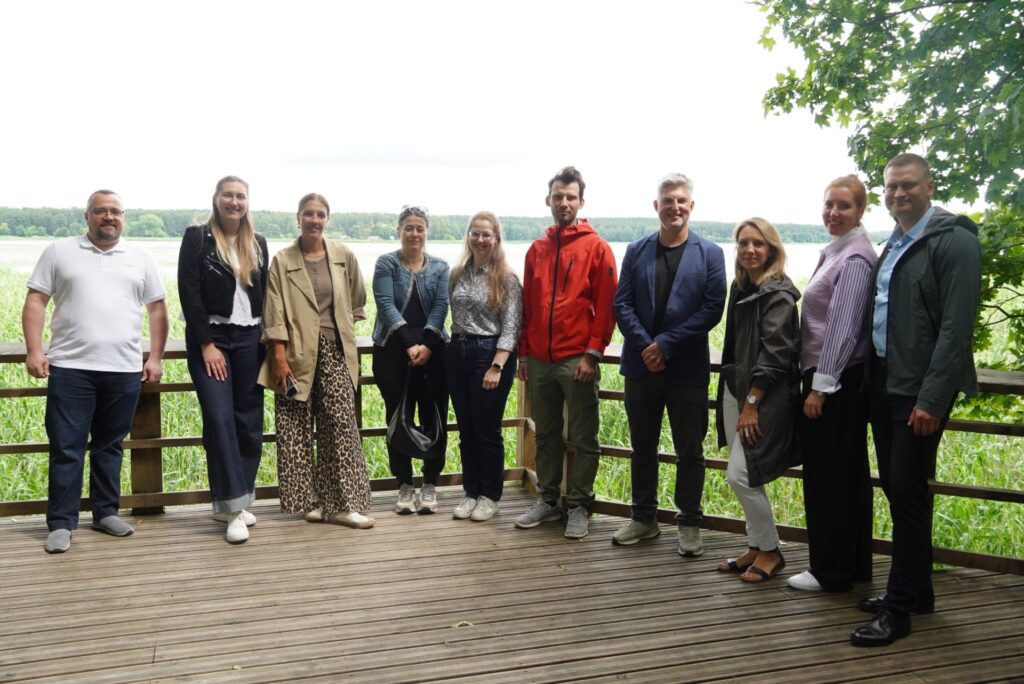
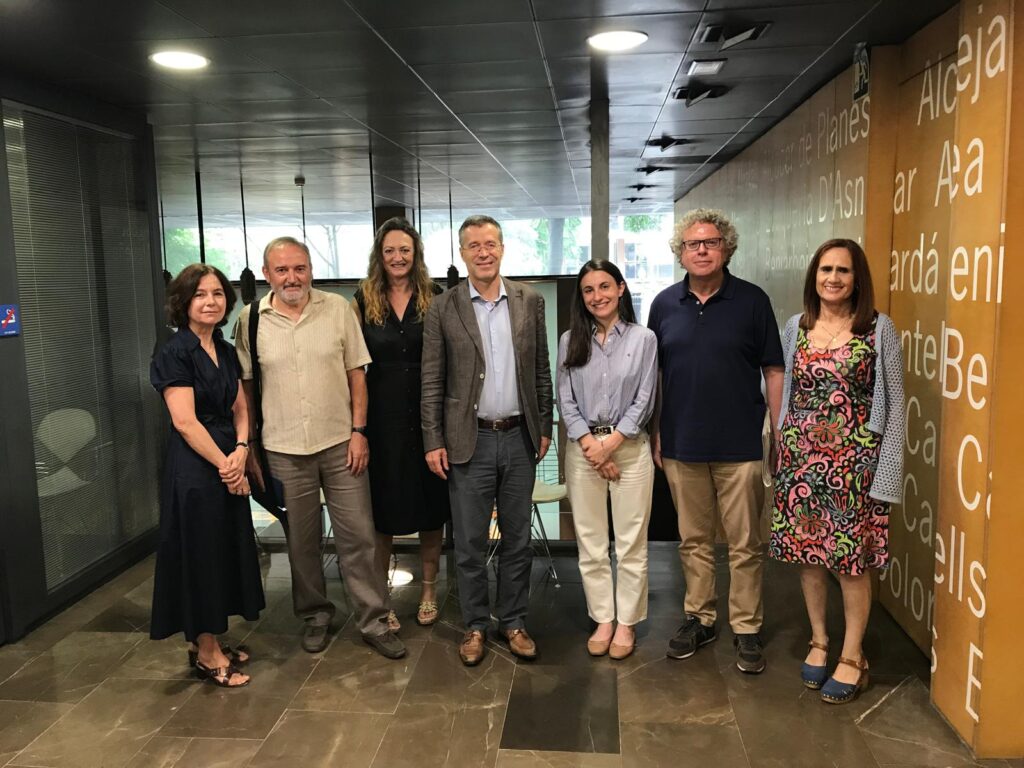
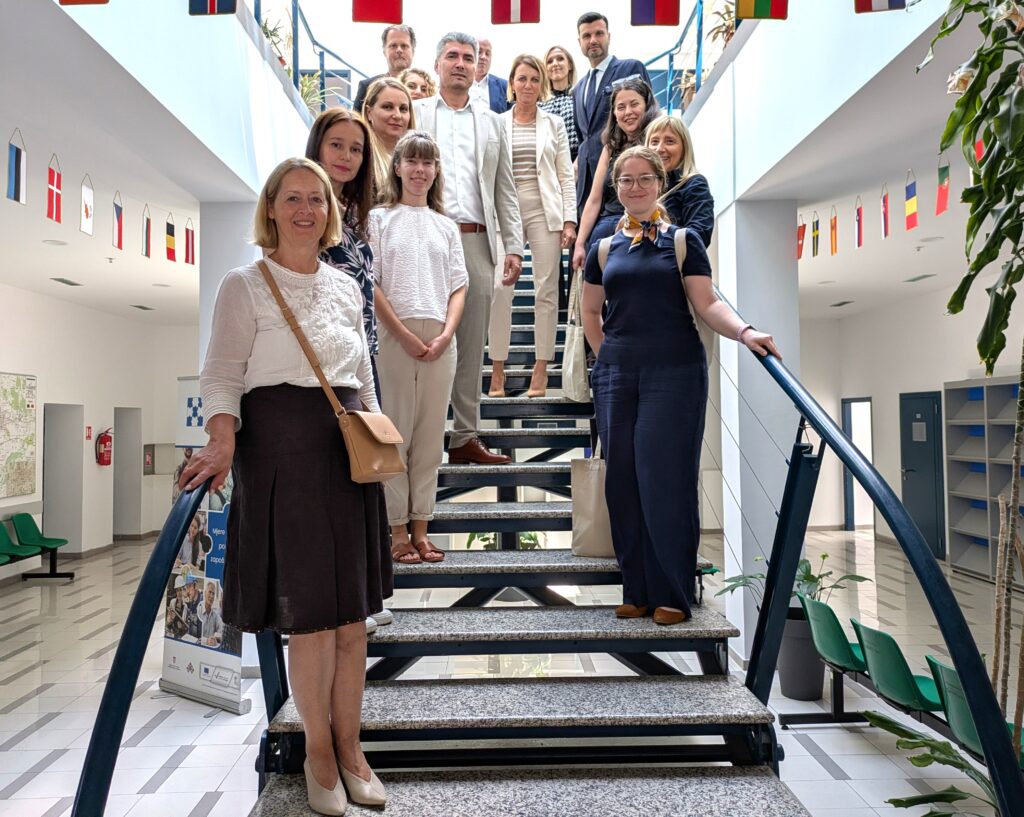
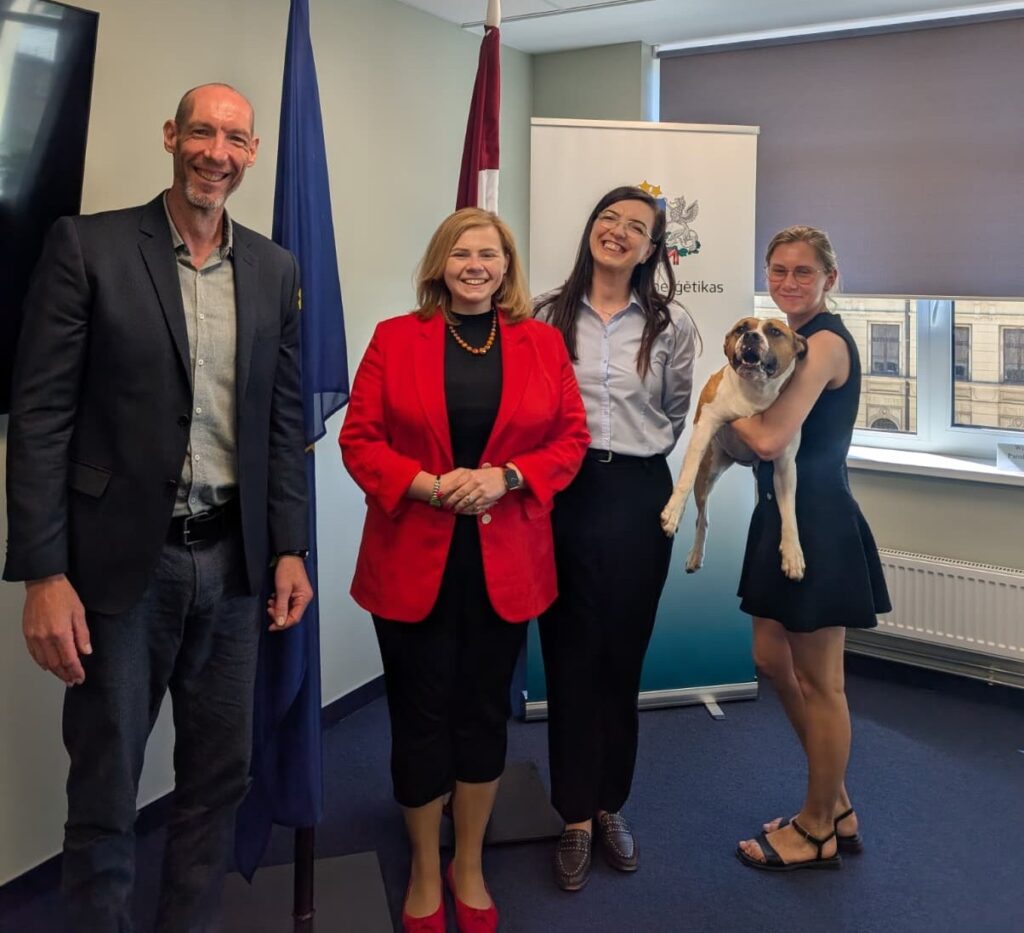
Following the consensus stage, EIPA representatives conducted on-site validation visits to selected shortlisted projects. These visits provided an opportunity to examine the initiatives in their operational context, meet the people involved in their implementation and gain first-hand insight into the results described in the applications.
The visits also enabled EIPA to verify information gathered during the earlier evaluation stages, discuss implementation challenges and explore the projects’ practical impact and sustainability. Direct engagement with project teams and relevant stakeholders helped establish a more complete picture of how each initiative operated in practice.
The validation visits therefore formed an important link between the assessment of the submitted information and the final selection process, strengthening the evidence base on which the award decisions were made.
6. Jury meeting
The Jury Meeting constituted the final stage of the selection process. The nominated projects were considered by the jury, which reviewed the results of the preceding evaluation stages before determining the final rankings in the three award categories.
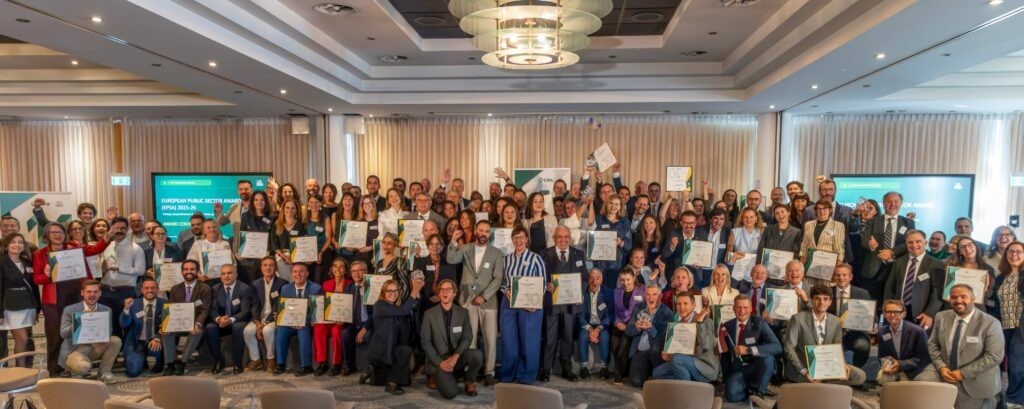
This final assessment distinguished the first-, second- and third-place projects in each category. The jury’s decisions culminated in the announcement of the winning projects at the EPSA 2025-26 Award Ceremony in Maastricht on 24 September 2026.
By combining external expertise, direct engagement with applicants, validation of project information and independent jury deliberation, the evaluation process aimed to recognise initiatives that demonstrate meaningful public sector innovation and provide valuable lessons for administrations across Europe.



The 10th edition of the European Public Sector Award (EPSA) was launched on 1 October 2025 under the overarching theme Driving Competitiveness through Reforms and Investments. The call invited public sector organisations across Europe to showcase initiatives that strengthen public administration, improve public service delivery and contribute to Europe’s competitiveness through effective reforms and targeted investments.
A total of 134 eligible project submissions from 30 countries were received. Of these, 108 were new projects competing in the three main award categories, while 26 were updated submissions from previous EPSA editions seeking Special Recognition. The applications represented all levels of government: 76 national-level projects, 26 regional-level projects and 32 local-level projects.
The participation demonstrated the breadth of public sector innovation across Europe, from national policy reforms to locally delivered services.
Applications were submitted across three award categories:
- Innovating Government, Governance and Policies: 51 projects
- Investing in Infrastructure, Mobility and Energy: 21 projects
- Delivering User-Centric Services at Subnational Level: 36 projects
In addition to the three main categories, EPSA continued to recognise projects from earlier editions through Special Recognition. Applicants were invited to update their project information and demonstrate tangible results, sustained impact and continued commitment to improving public services. A total of 26 updated projects were submitted for this recognition, providing an opportunity to assess progress beyond the initial implementation period and highlight initiatives that had continued to deliver value over time.
The applications also demonstrated the relevance of European funding to public sector innovation: 56 of the 134 projects reported support from EU funding programmes. Together, the submissions provided a broad overview of how public administrations at different levels are addressing shared challenges through reforms, investment and innovative service delivery.

Co-funded by the European Union. Views and opinions expressed are however those of the author(s) only and do not necessarily reflect those of the European Union. Neither the European Union nor the granting authority can be held responsible for them.
Official partners


With the Support of